Noah Jenkins · 11 September 2026
Analyzing How Layered Visual Elements Affect Long-Term Visibility Outcomes in Search Systems
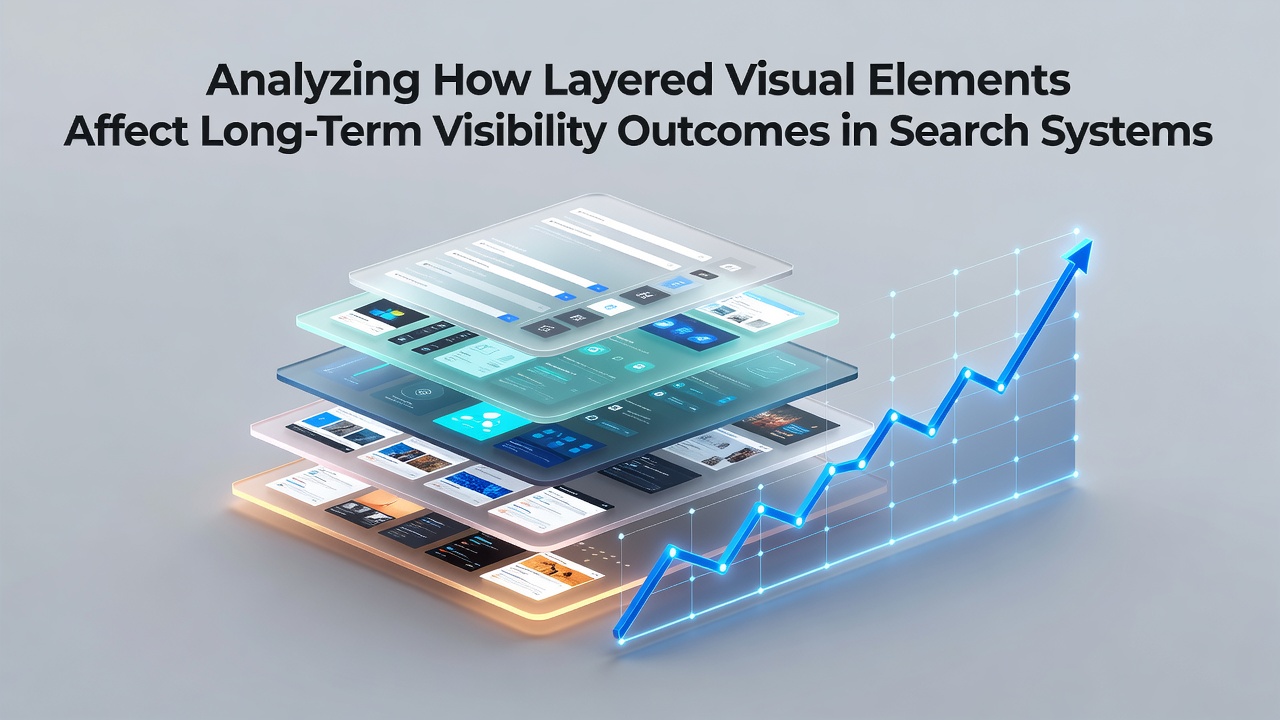
Search systems evaluate layered visual elements through a combination of rendering analysis, resource loading patterns, and content accessibility metrics that influence how pages appear in results over extended periods. These elements encompass CSS-based overlays, image stacking techniques, parallax scrolling layers, and vector graphics integrated with background containers, all of which search crawlers process during indexing cycles. Data from web performance studies show that sites incorporating multiple visual layers often experience shifts in visibility when cumulative loading times exceed thresholds established by ranking algorithms.
Core Mechanisms Behind Visual Layer Processing
Search engines parse layered visuals by first retrieving the HTML structure, then applying rendering trees that account for z-index values, opacity settings, and media queries which determine final display states. Observers note that excessive layering increases the number of DOM nodes and associated style calculations, factors that directly feed into metrics such as cumulative layout shift and largest contentful paint. Research indicates that pages with optimized layer management maintain steadier indexing frequency because crawlers encounter fewer obstacles when extracting textual content embedded within or beneath visual components.
Techniques like lazy loading applied selectively to background layers versus foreground images produce measurable differences in how quickly secondary content becomes available for analysis. Those who've studied crawl logs find that search systems assign higher resource priority to elements declared early in the cascade, whereas deeply nested visual stacks receive deferred treatment during initial visits.
Interaction With Performance and Accessibility Signals
Long-term visibility depends heavily on how layered visuals align with established performance benchmarks that search systems monitor across repeated site visits. Studies from academic institutions reveal correlations between high visual complexity and elevated bounce rates when images fail to compress properly or when JavaScript-driven layers delay interactive readiness. Accessibility guidelines require that layered content includes appropriate ARIA labels and alternative text descriptions, elements that search algorithms incorporate when determining topical relevance for image-based searches.
Figures from industry reports demonstrate that websites maintaining visual layer counts below recommended limits achieve more consistent positions in result pages, particularly after algorithm refreshes that emphasize user-centric metrics. And yet sites attempting to reduce layers without addressing underlying code bloat often see temporary visibility dips before stabilization occurs.
Long-Term Ranking Dynamics and Algorithm Evolution

Visibility outcomes unfold across months and years as search systems accumulate data on how users interact with layered presentations during different device contexts and connection speeds. Evidence suggests that consistent degradation in rendering efficiency from unoptimized layers leads to gradual demotion in competitive verticals where faster alternatives exist. Those monitoring ranking fluctuations report that visual layering decisions made during initial site builds continue to affect authority signals long after content updates occur.
September 2026 brings an anticipated refinement to visual content evaluation protocols that will place greater weight on efficient layer rendering across mobile indexes. Analysts expect this shift to reward configurations where critical visual layers load progressively while maintaining semantic structure for automated extraction. Data collected prior to this period already shows early adopters of streamlined layering techniques preserving higher average positions compared with peers who retained complex stacks.
Practical Patterns Observed Across Industries
Retail platforms that integrate product imagery through layered carousels combined with zoom overlays frequently document changes in image search traffic when alt attributes and structured data remain intact despite visual complexity. Educational resource sites using layered infographics report sustained indexing when vector formats replace raster stacks, reducing overall payload without sacrificing detail. Government digital services in regions such as Canada and Australia have published guidelines on visual element management that align with search system preferences for accessible layered designs.
One analysis of enterprise websites revealed that reducing active visual layers by thirty percent correlated with improved dwell time measurements tracked over eighteen-month periods. Another examination of media outlets found that background video layers without proper fallback content led to indexing gaps when search systems encountered playback failures during crawl attempts.
Conclusion
Layered visual elements shape long-term search visibility through their influence on rendering performance, content accessibility, and user engagement signals that algorithms aggregate over successive evaluations. Organizations tracking these factors implement systematic audits of layer counts, compression standards, and semantic markup to align with evolving search system requirements. Continued monitoring of rendering metrics remains essential as protocols advance in September 2026 and beyond.