Noah Jenkins · 25 September 2026
Decoding How Dynamic Crawl Prioritization Shapes Content Freshness Signals Across Rapidly Updating Sites
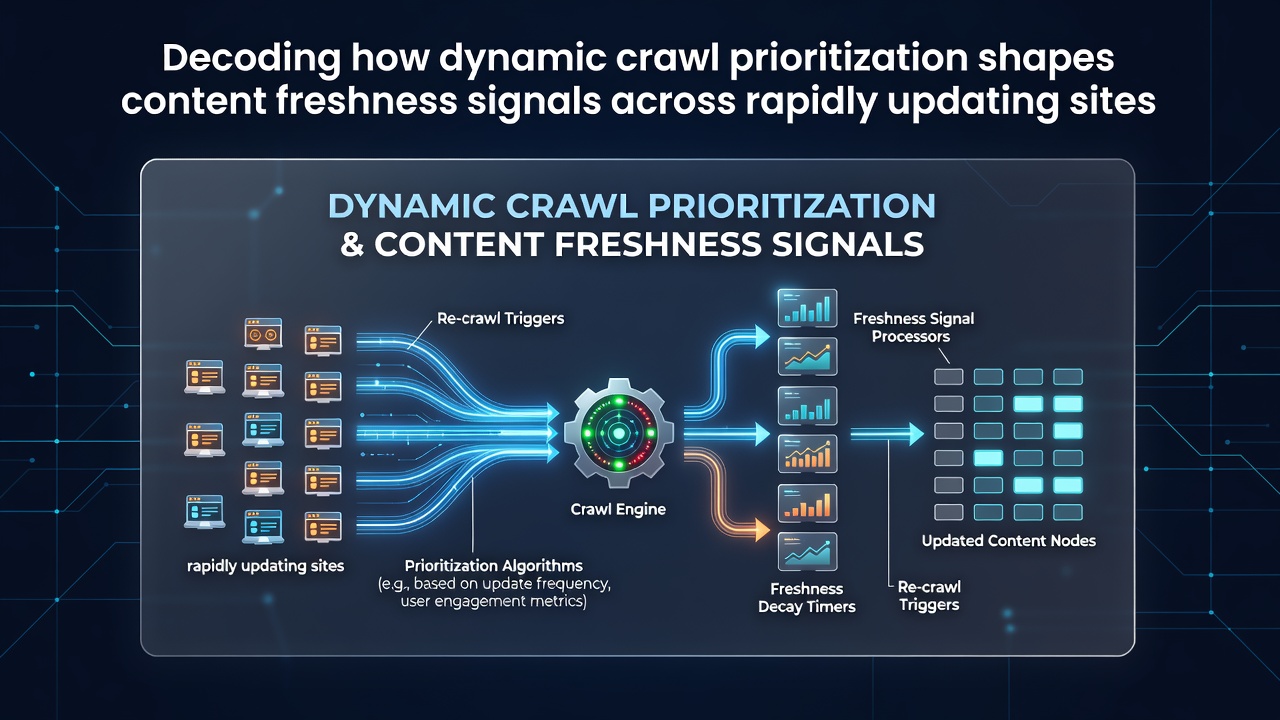
Search engines allocate finite resources across billions of pages, and dynamic crawl prioritization determines which sections of rapidly updating sites receive attention first based on detected change patterns, historical behavior, and explicit signals that publishers provide through technical markers. This process directly influences how quickly new content appears in results and how freshness factors into overall visibility calculations. Researchers tracking these mechanisms note that prioritization algorithms evaluate update velocity alongside resource constraints to allocate crawler time where modifications occur most often.
Core Mechanisms Behind Prioritization Decisions
Dynamic systems assess page modification rates through repeated visits, comparing timestamps and content hashes to build predictive models that forecast when the next change will occur, while sites that demonstrate consistent high-frequency updates receive elevated crawl budgets as a result. HTTP headers such as Last-Modified and ETag supply precise indicators that allow crawlers to skip unchanged resources, yet these markers only function effectively when implemented correctly across an entire domain. Sitemaps with lastmod attributes further refine this process by highlighting recently altered URLs, and data from industry reports shows that proper configuration correlates with faster indexing cycles on news and e-commerce platforms alike.
But here's the thing: not all signals carry equal weight, since machine learning layers now weigh user engagement metrics and backlink velocity alongside traditional technical indicators to adjust priorities in real time. One study revealed that pages receiving sudden traffic spikes often trigger accelerated re-crawls even when explicit change markers remain absent, demonstrating how behavioral data supplements static headers.
Impact on Content Freshness Indicators
Freshness signals emerge from the interplay between crawl frequency and indexing pipelines, where delays in processing newly discovered content reduce the perceived recency of information presented to users. Rapidly updating sites such as financial tickers or live event pages depend on these signals to maintain accuracy in search results, and observers note that prioritization imbalances can cause temporary mismatches between published updates and indexed versions. According to figures from academic analyses of web-scale crawling patterns, sites that publish multiple times per hour achieve better alignment when their infrastructure supports efficient header responses and incremental sitemap generation.
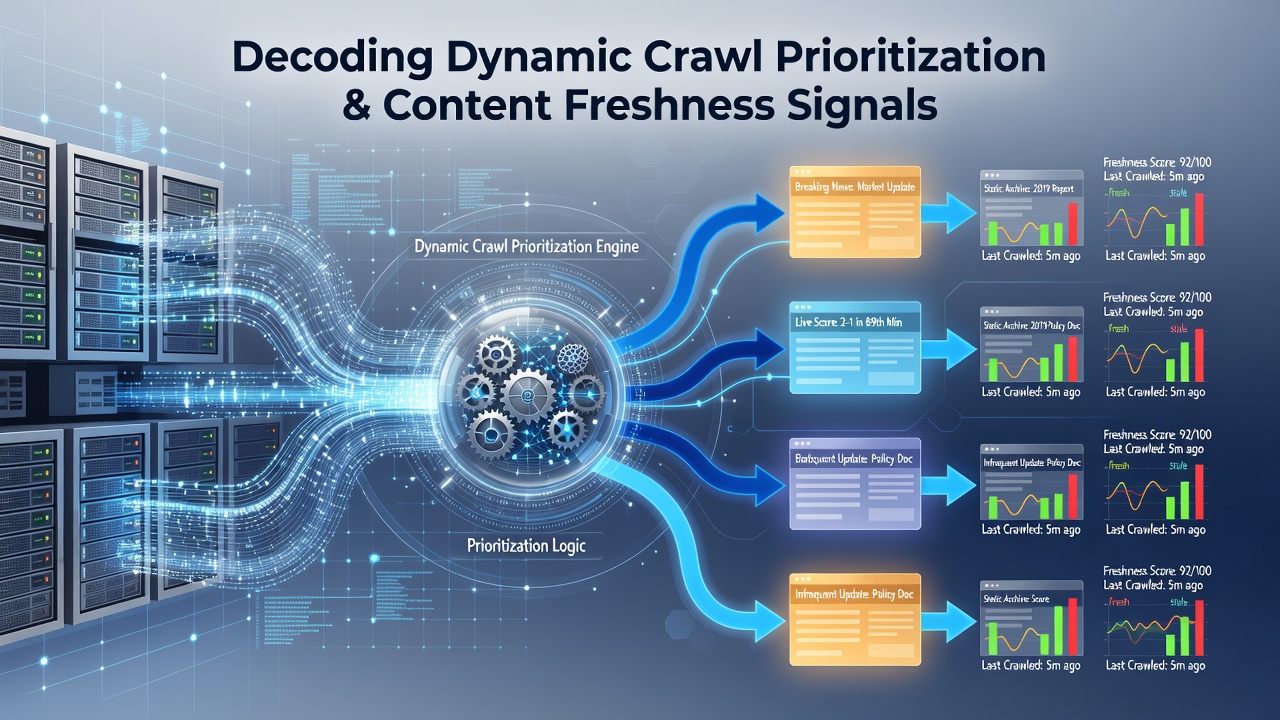
Turns out the relationship extends beyond raw speed, because ranking systems incorporate freshness as one component within broader relevance calculations that also consider authority and topical alignment. Experts have observed that when crawl prioritization favors certain categories within a domain while neglecting others, the neglected sections exhibit diminished freshness scores even if their actual update cadence matches the rest of the site. This selective attention creates uneven visibility outcomes that publishers attempt to mitigate through strategic URL structuring and targeted resource allocation.
Technical Practices That Influence Crawler Behavior
Publishers who maintain consistent server response times and avoid excessive redirects enable crawlers to complete more requests within allotted budgets, whereas sites experiencing downtime or slow rendering often see reduced prioritization over successive cycles. Research indicates that combining structured data markup with timely sitemap updates strengthens the connection between published changes and crawler detection, allowing algorithms to confirm modifications without expending additional resources on full page fetches. There's this case where experts found that sites adopting incremental crawling protocols, which expose only altered sections rather than entire pages, experienced measurable improvements in indexing speed during peak update periods.
In September 2026, ongoing refinements to these protocols continued to emphasize adaptive scheduling that responds to both content volatility and external event signals, such as major news cycles or product launches. Government sources tracking digital infrastructure performance, including reports from the Australian Competition and Consumer Commission, have documented how efficient crawl management contributes to overall ecosystem reliability for information-heavy services.
Challenges Across High-Velocity Environments
Rapidly updating sites encounter resource competition when multiple sections demand attention simultaneously, forcing prioritization algorithms to weigh factors like historical accuracy of predictions and the presence of unique identifiers that distinguish substantive changes from minor edits. Data shows that pages relying heavily on JavaScript-rendered content require additional processing steps that can delay freshness signals unless server-side rendering or pre-rendering techniques are applied consistently. Those who've studied these patterns know that coordination between development teams and infrastructure providers becomes essential to prevent bottlenecks that disrupt the flow of updated information into search indexes.
What's interesting is how external events can temporarily override standard models, causing crawlers to increase attention on specific topics during breaking developments even when baseline update rates remain unchanged. Industry organizations such as the World Wide Web Consortium have published guidance on best practices for exposing modification metadata that supports these adaptive responses without overwhelming limited crawl capacity.
Conclusion
Dynamic crawl prioritization continues to evolve as a critical determinant of how freshness signals propagate through search systems serving rapidly updating sites, with technical markers, behavioral data, and predictive modeling working together to allocate resources where they produce the greatest alignment between published content and indexed results. Observers tracking these developments recognize that sustained attention to header accuracy, sitemap maintenance, and rendering efficiency remains central to achieving consistent outcomes across diverse site architectures. As patterns shift through 2026 and beyond, the integration of additional signals will likely refine prioritization further while preserving the fundamental balance between crawl economy and information timeliness.